Category: Sales

  • Promotional Items Should Be Carefully Selected for Maximum Impact

    Promotional Items Should Be Carefully Selected for Maximum Impact

    There are lots of elements to be considered if your marketing plan for the year includes participation in tradeshows, and a number of good reasons to include it in your plan in the first place. One element that has been closely focused on over the years, sometimes to the exhibitors detriment: the tradeshow “giveaway”. The use of promotional items for creating lasting attention and retention of brand image has cycled up and down in popularity over the last 50 years or so. There are some interesting correlations between the state of the economy and the level of quantity and sophistication attached to the promotional items given out at shows. In general, when times get tough, the quantity goes up, and the quality/cost goes down. When times are hard, something in marketers minds says “better to give away lots of cheap stuff just to get the name out there, than to spend the same but only give away half as many nice items that actually connect accurately to the brand”. Why, I have no idea, but it’s bunk.

    In reality, if you choose to distribute promotional items at a tradeshow, that choice should be as well-thought-out as the display construction, the sales training scheme for the event, the selection of size and location of the stand, and the selection of representatives working the show. Often such items are an afterthought, an add-on after everything else has been decided. Sometimes, there are “Standard” items that the company keeps a stock of, or makes available to each location for marketing purposes – they get a better price buying in higher quantity, and they make available or distribute it throughout their “system” for use in ad hoc marketing efforts, including local tradeshows. Ever visited a home improvement show, and the local bank has purchased a table space and brings water bottles and stress balls, and thinks this will make them memorable to the attendees and that they will open an account or apply for a loan? For the impact that really has on the audience, they may as well have taken the money and put it in one of those plexiglass Grab-a-Buck boxes – that at least connects money and banks in people’s minds and might have gotten them some attention!

    If you’ve made the decision to promote your business with a branded item, if that selection is made carefully, it can be of great benefit at that event, and can drive recognition and awareness, not necessarily sales. If really obvious, it can create buzz on the show floor and drive traffic to your display from elsewhere on the floor. And if you’ve really read the audience right, that item will be so specific to a particular population that it will help qualify that traffic and thin and focus the lead selection before they arrive! Now that’s a promotion.

    Some general rules of thumb for a successful promotional item giveaway.

    1) If you can do so, and it’s appropriate, try passing out samples of the product. Smaller, not necessarily fully functional, but a good replica of your product will at least remind the recipient for months to come, who gave them that item and what they make.

    2) If you can’t sample, for whatever reason, select something that links practically to what you do or what you offer. This type of item at least will carry some activation, that coupled with the logo printed on the item, will conjure up a memory of your firm and what it offers.

    3)If you can’t sample, and you can’t link practically with your product, link with the audiences habits or industry specific needs or processes. If you’re marketing to engineers, a measuring device of some type is a good example of this – they can actually use the item at work, where they hopefully make purchasing decisions.

    4) If you can’t do 1, 2, or 3, at least make the item something useful or entertaining and of good quality, including the imprint method. Also, be aware of the audience. If you can, try to select items that are at least non-toxic – sounds strange, but I can’t tell you how many stress balls and foam toys I’ve handed to my young kids only to find out the printing rubbed off when they got drool on it, or put it in their mouths.

    In short, smart, engaging, creative choices that engage the audience’s imagination, trigger a memory of what you do, your products or your brand promise, that are practical and useful within your industry are the best bets for effective giveaways.

    There are lots of other tips and tricks to using promotional items to drive traffic and leads. More later . . .

  • Ten Tips & Truths For Marketers

    Ten Tips & Truths For Marketers

    For those of you who are marketers, or if you’re a business owner or solo practitioner who acts in a marketing capacity (and who doesn’t), here’s a few things I’ve picked up over the years – they don’t have anything to do with social media, channel support, SEO or anything to do with a particular media.

    10) If you’ve worked hard to evoke an emotional response to your product in an ad or direct mail piece, for goodness sake give people a way to actually buy it! Make the response mechanism obvious, it avoids delay in responding.

    9) Put your address and phone number on your website, in an obvious place – not everybody trusts everything they see on the internet, and sometimes you just want to send somebody something or talk to an actual person. Why make me work at it?

    8) ASK for the order. Don’t assume that the audience will understand what you want them to do, no matter how obvious you think it is.

    7) Take the offer seriously in your ads and direct marketing communications – the audience will, and they will hold your feet to the fire for every possible interpretation you can imagine. The more transparent and clear you make the offer, the less confusion you’ll receive from the audience, and confused audiences tend not to buy things.

    6) Treat your house list like the gold that it is – you’ll never find a more receptive set of eyes and ears for your message than someone who is already predisposed to hear it. Respect the power it represents, and the people behind it.

    5) You can never know too much about the people you’re trying to reach – but you can interpret data incorrectly. Trust but verify, to paraphrase Ronald Reagan, and vet your data with real people and anecdotes – you’ll be glad you did.

    4) Make your copy simple enough that your 80-year-old grandmother can understand it. People’s attention spans are increasingly short, and they don’t have time to analyze your obtuse copy to extract your message.

    3) Sales letters should be long enough to compellingly tell the story, and not a word longer.

    2) Lists, design, artifice and devices don’t sell products and services, feelings do. Evoke an emotional response in your audience and you’ll move the needle.

    1) A target audience never bought anything – PEOPLE buy goods and services – whether it’s online, through the mail, over the phone or from a billboard. Reach out in an accessible, human way, meet a need or solve a problem, and the sales will follow.

    Seems like basic common sense, but ignore such simplicity at your own peril. You’d be amazed how many top flight professionals can’t apply these basic tenets to their everyday work and score a good number.

    If you found this helpful and would like to read more like this, subscribe to this blog above, and be sure to pick up a copy of “The Marketing Doctor’s Survival Notes”


  • Fundamentals Can Save Your Advertising Program

    Fundamentals Can Save Your Advertising Program

    As a consultant, I read – a lot – every day, about different marketing approaches, different angles and aspects of marketing, from social media trends to mobile, to automated e-mail, to article marketing, and a huge variety of other things that bombard my in-box every day, both electronically and in the snail mail and online. With all that reading and absorbing comes some inherent sense of how current corporate professionals in the marketing field are going about their work, what they focus on, what they feel is important, what’s hot and what’s out of fashion.

    In all that absorption, I get to analyze how those marketers work, and how effective their efforts are. I also get called upon to critique their work from time to time, and let them know how a “knowledgeable” audience might view their performances. I was judging a series of ads the other day for a survey of magazine ads and their effectiveness, and I was amazed at how many of the B2B ads didn’t incorporate even the most fundamental, basic elements that should be in all advertising. Top professionals at high-priced agencies were creating ads read by, and hopefully responded to, by other professionals – and there were lousy headlines that were far from compelling if there was one at all, lists of product features with no associated benefits, copy that was difficult to decipher, let alone read and be persuaded by, and a host of other ills that most college-trained marketers have a good handle on by year two. I was amazed and astounded that large, profitable companies with marketing departments staffed with educated, qualified professionals were paying for this level of performance from their agencies, or worse, producing this kind of product themselves!

    Sure, it’s easy to rely on others to cover the basics, and you hope that the high-paid pros know better and they shouldn’t need much supervision. And it’s easier still to simply look at last year’s or last week’s effort and say, “yeah, good enough, run that one again” and perpetuate the poor construction, bad design, lousy and ineffective headlines, poorly-written copy that is neither persuasive or compelling. If it wasn’t, we’d be out of business. But the truth is, if these pros had simply focused on the fundamentals, their work would improve in both effectiveness and creativity.

    1) Get me involved. Write a real headline, one that compels me to read further, that poses a problem a challenge, asks a question, declares a position or benefit.

    2) Write and design it so even I can read it. Real type fonts, in a decent size, in a contrasting color, either in columns, wrapped around an image, bannered at the top or bottom, somewhere that my eye can track it and make sense of it. Make it compelling, readable, persuasive, tell me how it will make my life easier, faster, better, lighten my workload, solve a problem, keep me sane, let me sleep at night, beef up my paycheck, cut my expenses. Tell me the benefits of the product or service, not just what it includes or is comprised of. Tell me something to make me feel I “need” what you’re selling, hopefully leading me to . . .

    3) Include a call to action I can respond to. I get through the headline, it drives me to read the copy to learn more, it ends, and . . . nothing! Give me a phone number, a specific web address, an e-mail or physical address, an offer of some kind, a place to go to learn more, see the product, make a purchase, someone to call to order one, something!

    4) Lay it all out so it naturally drives me to that offer. Americans read left to right, to to bottom, its deeply ingrained in our psyche to do so, so that we may all absorb information in uniform fashion. Don’t fix it if it isn’t broken, start at the top, (it’s called a headline for a reason) and work your way down. Leave the collages for grade school, keep the fancy special effects for the YouTube video – just design it in a way that is pleasing to the eye and supports the other elements.

    5) Make the images and the text support each other and work TOGETHER to get your point across. I can’t tell you how many ads I reviewed that contained an image that had virtually no bearing on what was being sold or discussed. It was either a product shot with no identification or name, no branding, or known function or relevance to the headline or offer, or a shot of some landscape or character that had no real bearing on what was being discussed. You’ve spent a lot of time and money finding, modifying or creating that image, make it work to your advantage to help sell the concept or idea you’re conveying.

    Just following these five guidelines will improve your publication and print advertising immeasurably, and put you ahead of 70% of the highly paid agency professionals that crank out B2B ads on their lunch hour . . . you might even make a sale!

    If you found these helpful, or disagreed with these insights and would like to let me know . . . subscribe to this weekly blog above. And, don’t forget to pick up a copy of “The Marketing Doctor’s Survival Notes”


  • Tradeshows – Make A Commitment, Make It Count

    Tradeshows – Make A Commitment, Make It Count

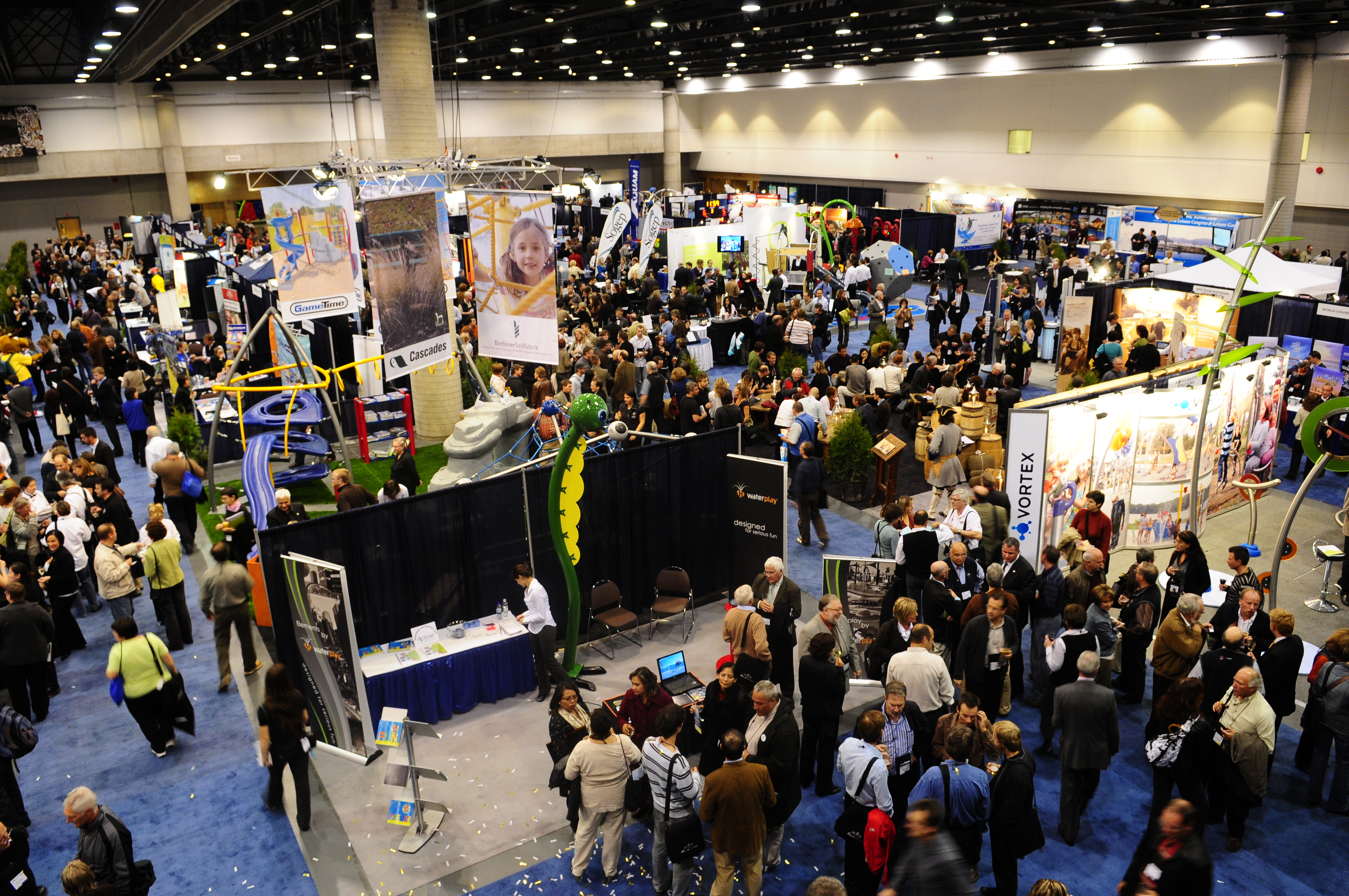
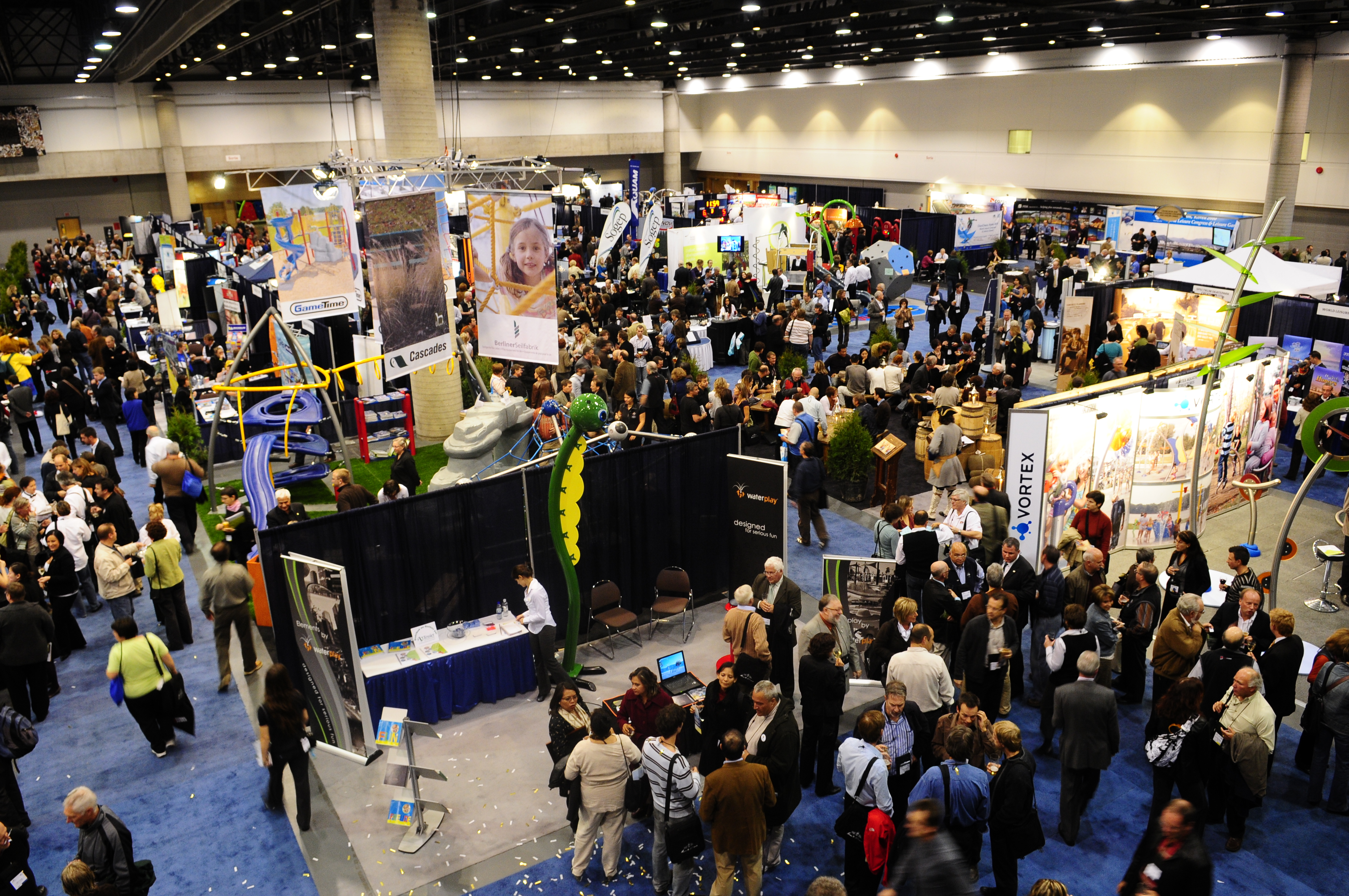
    We recently attended a tradeshow (Granite Partners principal and staff, not the royal “we”) with a client, in an effort to help them gather competitive information prior to entering a new market for a line of products they were planning to launch in a few months. We got together prior to entering the show floor, and discussed a specific set of goals and tactics to be applied to our activities during the morning, including observing and asking questions anonymously of the competition, researching potential production partners or related ancillary product partners that worked with our product, finding possible new applications for our product beyond the intended use, and observing the marketing tactics used by our potential competitors.

    A tall order, but one that can usually be filled in a couple of hours of strolling the show floor, watching, chatting with vendors, asking questions as if we were in the market to purchase, along with a few covert snapshots of displays and a collection of collateral materials in our show bag.

    After spending an hour on the floor, we had accomplished most of the goals we discussed. Some general take-aways on the state of small tradeshows:

    1) Vendor displays have gotten less expensive – and less professional. If you’re going to spend the time and money to highlight a new product at a tradeshow, don’t have your sister-in-law design the booth and the collateral signs because she won Third at the science fair in 11th grade! Go to the professionals for your exhibit design, and have a professional help you with a marketing plan that will help activate and leverage that display and turn it into viable leads! Just because the structure is less expensive than it used to be, doesn’t mean you shouldn’t spend the savings on good design!

    2) If you’ve gone to the trouble to design and transport a display, at least show up, set up and participate. We saw three or four empty booths, half constructed and missing key elements, with no sales or technical staff in evidence – shame on you, what a waste!

    3) If you are prepared and suited up, working the booth, don’t just shoot out a generic question to passer-by to try and snag their attention – it’s tacky and worse, ineffective. Simply come out from behind the table, out into the aisle, make eye contact with attendees, and maybe ask a legitimate question, maybe something related to the problem your product solves. If you hit on a sore point, you’ve hooked them, if that’s not their problem it’ll be a pretty tough sell to start with and you’ve not annoyed anyone. Being a tradeshow attendee doesn’t mean you’ve signed up to be molested in the aisles!

    4) This is not a re-run of “Boiler-room” – stop trying to close me on a complex, high-dollar, multi-step sale three minutes after I meet you at a show. Ain’t Gonna Happen! This is essentially a meet-and-greet with A/V support. Simply take my information, give me some data and some salient points that can be beneficial or differentiating for your product, and actually do the follow-up work later in the week. Even at consumer-based, residentially-oriented shows, I may not want to sign a contract on a $10,000 piece of infrastructure construction on my house – such things need researched, discussed with family, budgets allocated, etc. It’s a long-term, complex, consultative sale, not a $10 widget that helps wash the car faster.

    5) Do some pre-show marketing. Don’t rely on the show organizer to do it all for you, your results will reflect such an approach. If you plan to sell into the local market, do some homework, craft a decent direct mail piece, do some segmenting, mail a few key zip codes and let some likely consumers know you’re going to be in their neighborhood. You’ll be the busiest guy on the floor.

    No matter how small a show it is, if you’re going to spend the money and time, make it count. Make the commitment, do it 100%, make an effort to be your professional best. If you’re counting on a show like this to make your year, your plan is flawed, and your desperation will be readable from a mile down the aisle. A show should be a small part of a more holistic approach to your overall marketing effort, not a make-or-break event.

    Happy trolling . . .

    If you found this information valuable, and would like more, subscribe to this blog above, and don’t forget to pick up your copy of “The Marketing Doctor’s Survival Notes” . . .


  • Leaving Gold On The Table

    Leaving Gold On The Table

    For those companies out there who include industry tradeshows in their marketing mix, either on purpose as part of a strategy, or “because all our competitors are there”, you are probably leaving a pile of gold behind when you pack up your boxes to go home.

    Recent studies by independent national organizations show that very few companies do any pre-show marketing to prospects or clients, and that the number of leads actually followed up after the show is in the single digits!

    This type of behavior makes no sense to me, and is creating a case of diminishing returns for the tradeshow industry as a whole and for those who participate in them. If you were to spend millions of dollars on a Superbowl ad for your company, and then disconnected your phones for the month after the ad ran, you’d consider such behavior ludicrous, wasteful to the nth degree. Yet, that’s exactly what you’re doing when you fail to broadcast your presence at an event, when you pay dearly to participate; spend thousands on a complex display and related collateral material; spend endless time in meetings reviewing a hundred different types of tchochkeys and giveaways; take a week’s worth of time from your key sales people, technical people and administrative staff; when you don’t get full benefit from T&E, including travel, meals, hotels, cabs and entertainment; and then don’t follow up some of the most qualified sales leads and partnership opportunities you’ll ever encounter. Absurd, you say? Commonplace, at best, if we’re to believe the data. And that’s just for one major show – scale that up to include 6-10 shows a year, and you’re watching a pot of gold in lost opportunity fly out the window!

    So how to you capitalize on all that opportunity? Five quick fixes that will cut waste, provide more value and prevent lost opportunity:

    5) Train and select your on-site staff with care. Even for a major show, you don’t have to send the whole team. While a big group of people all dressed alike trolling the floor and inhabiting the exhibit does have some value, especially in reinforcing your brand, it’s a costly and inefficient way to do that, and the job can be better handled by fewer better selected candidates. A mixed bag of junior and senior sales staff, one technical person to act as advisor and closer on the BIG sales, and a couple of engaging administrative folks to help clean up the loose ends, steer traffic to the sales group and provide coverage. That’s it. Train them all to be effective in as many different roles as are appropriate, so there is good overlap, but make sure everyone knows how important this show is to the prosperity of the company, and that all leads, no matter how small or remote, could be important, and are to be treated as such.

    4) Set up a lead management system, and use it. That’s not the same thing as renting the capture machine from the show management’s vendor. This is a system within the company for qualifying, funneling and following up on leads gathered at the show. Your existing prospect database is a good start, but it’s probably not built to handle a big influx of leads in a short time, and likely doesn’t have a good qualifying system within it. It should be designed to work quickly, have all the follow-up materials created in advance and be able to customize them to a certain extent for each lead. Nothing is more impressive than having a quick, well-crafted, specific follow-up note waiting for you when you get back to your room for the evening from a vendor you spoke with that afternoon!

    3) Craft an effective pre-show marketing strategy. If you really want to stand out of the crowd, marketing your presence at the show a couple of weeks beforehand is one of the best ways to do it. You can prompt booth visits, make appointments with big clients or promising prospects who are planning to attend, build attendance in your hospitality suite event, pre-qualify leads, and much more with this simple step. Get access to the registration list from the prior year if it’s available and use it repeatedly and effectively. You’ll be amazed at the resulting traffic.

    2) Set goals for the show that make sense, and hold EVERYONE accountable for meeting them. Especially if this is one of many shows you participate in each year, goal-setting will give you some idea of how worthwhile your tradeshow investment is likely to be. It gives you an ROI variable to push back against when making decisions for next year. Make them just barely reachable, and make them finite and quantifiable – “we will contact and follow-up with 25 new prospects not in our current database at this show.” Now, it’s everybody’s responsibility to be familiar with what’s in that prospect database, know who the big fish are, and engage everyone in a productive, helpful way to make that number attainable. It forces a teamwork approach, and keeps down the finger-pointing later if you don’t hit the number.

    1) See the show as a triple opportunity and treat it as such! How many times do you get to be in a room with a huge universe of prospects and customers, prepared, armed and in a selling environment, all in one week, with your best troops in attendance? Not very often, I’ll wager. So make that opportunity count. Follow-up religiously, engage every reasonable visitor, invest in some staff training, make the display work for you, make sure it carries the brand well and is easy to read and understand, make sure your staff understands the goals and the importance of the results to the success of all concerned. Make sure that lead management system is working for you, not just making you more work.

    You’ve invested a significant chunk of budget to participate in these marketing opportunities – its up to you to make the investment pay back. Enjoy.

  • Leadership Behaviors Gain You a Seat at the C-Table

    Leadership Behaviors Gain You a Seat at the C-Table

    I’ve long been an advocate of soliciting the help of marketing experts when developing, launching and branding new products, services or businesses. We’ve seen in our practice that the earlier you get the marketing folks involved in the process, the more likely you are to be successful. This is backed by study after study, both anecdotal and empirical, over the last 20 years. How many articles and references have you seen, including obituaries, that say something like “. . . successful business man was a marketing and promotions genius and applied his skills to creating and growing the company . . .” ?

    Clearly, the knowledge of the practice and theory of marketing is a valuable, nee critical skill to have in your bag of management tricks. And indeed, it seems the more input from the marketing folks you get, the faster and bigger the success is! Ramp up times are shorter, development and product lifecycles reduce, launches are more dramatic, and alternate applications and uses surface faster and are more often taken advantage of, when the marketers get heavily involved in the upper echelon decision making.

    So why has it taken so long, and required so much effort for marketers to seek and achieve a true place at the C-level of management structures in the U.S.? The newly-invented Chief Marketing Officer title was a hard fought battle, typically one that is won on an individual basis, and in only a small percentage of companies, often larger and older firms, where upper management is often tinged with risk spreading behaviors rather than overt leadership. Often this battle is won by only the most vocal, dynamic, personable, innovative and connected of marketers. One might say these are inherent traits in every good marketer, but you’d be surprised at some we’ve worked with who are impossibly poor at blowing their own horn while excelling at promoting the business they serve.

    I’m convinced, after working directly with over 100 marketers in the last thirty years, that those who market themselves as well as they do their firms are those destined to go the farthest. In some cases, it’s a matter of the squeaky wheel getting the grease, but that only really works on an internal basis on the way up the ladder in a contained environment. But in this case, they have to not only talk the talk, they have to walk the walk, too. You have to back up the swagger with bottom-line success time after time to truly gain legend status. Just plain visibility alone won’t do it.

    Business executives rise to prominence in their own small world through long-term, solid achievement, aided by public recognition of those achievements and a desire to be associated with those achievements. Which makes it even more amazing that marketers have had such a hard time gaining celebrity status in the business world, as marketers have an endless series of “wins” to point to on a given day.

    Some of the difficulty is that marketers tend to be collaborative, work in teams, even if the team leader works in a supervisory capacity – there’s just too much for one person to really do without spreading the load, and thus the credit. CEO’s get credit for the good decisions, and spread the blame for the bad ones among their top management team. Marketers tend to take it on the chin for the failures, while others take credit for the successes. That shadow tends to keep them in the background, slaving away as good corporate brand stewards, until there’s a regime change.

    The challenge before us as marketers is to loudly and often show the value we contribute to corporate success. We needn’t be shy about putting our names and faces behind the successes we create, because in reality, there is no success in business without something being bought or sold, and we’re the closest to the end of the sales chain and have the best understanding of what customers want and need. That makes our expertise not only critical but invaluable. Don’t be afraid to step up and take credit for the successes, spread the credit as far as you need to, to your team and beyond, but accept the success for what it’s worth without demurring or deferring. On the other side of the coin, never shirk responsibility for the inevitable misses, take them head on, learn from them and apply that education to the next situation. You’ll be applauded and respected for the integrity, so you win anyway.

    Stay the course, be visible, be effective, have an impact, and don’t be afraid of public exposure – you’ve earned every last bit of it. Be the corporate leaders we know you are, but do it in a visible way. Everyone’s a winner in the end when you do.

  • Exhibitions and Trade Shows – A Thing of the Past?

    Exhibitions and Trade Shows – A Thing of the Past?

    Guest blog

    Posted by garethcase ⋅ August 30, 2011 ⋅ 5 Comments

    It’s a subject that comes up every year. There is always an Account Manager who wants to do an exhibition because it’s closely aligned to their vertical market, but is there still real value in these events?

    The internet’s exponential growth over the last decade has meant that we have access to pretty much any information we want, no matter where we are or what device we are viewing it on. Research in general, for that latest gadget, your next holiday or even which e-marketing platform you are going to deploy is at our finger tips 24 hours a day.

    Before these technological advances, research was the reason I used to attend trade shows, but over the last 10 years, I have noticed a dramatic decline in both the size of events and the number of attendees.

    There are many reasons company’s choose to exhibit at trade shows. For example, it’s a good forum to launch your brand into a new market or geography. It’s also good to have brand presence at an event well subscribed to by your customers. The other main driver is lead generation. How many of you can honestly hold your hands up and say you have had a really good ROI from events and exhibitions overall? I hope I hear about some great successes but in my experience the ROI does not stack up. Yes there have been shows where we have converted some great opportunities, bit If I compare it £ to £ against over marketing activities it probably comes out bottom of the list. When working out the ROI, don’t forget to include the investment of time from your employees, a trade show with 4 of your sales team not only means you’re paying them to be there, but also missing out on them selling elsewhere during that time.

    If you are going to do trade shows and exhibitions then my advice is to pick niche events aligned to specific vertical markets you want to attack, rather that generic shows that cover your solution/product set. The key is to develop a proposition that really helps your target market overcome a ‘common challenge’. This way you will quickly gain engagement and been seen as a value add rather than a box shifter.

    Surely it’s better to be the only company at an event that offers your products and solutions than being one of 150 all offering something similar?

    My Response:

    Gareth – I, too, have sat on both sides of this fence, organizing some of the largest industrial events in the country (US) and attending and exhibiting in hundreds of shows for a variety of clients. I, too, have seen reductions in attendance and square feet sold, likely a factor of a combination of better information sources (the internet and elsewhere) and the current economy. However, if applied to the marketing plan in a focused strategic way, there is still a huge value in live trade events. NOTHING can replace the face-to-face interaction, the energy, the insight gathered at a live event. True, hard data research can be gained electronically, but the “Who” portion of the show is just as important as the “What” that you get electronically – seeing your competitors approach, viewing new entrants into the market for possible partnership, gauging the health and direction of an industry at large, are invaluable to the well-rounded executive.

    True, lead generation is one of the principal reasons to exhibit, and many shows don’t support this activity aggressively enough, though they should. But on the corporate side, 8 out of 10 viable leads are NEVER followed up with – after spending all that time, money and energy to exhibit, craft a display, man the exhibit with top, expensive sales staff, the leads lie fallow, reducing the ROI by a huge percentage. Shame on the sales manager who lets this practice continue . . .

    There are indeed numerous branding tactics associated with a tradeshow outside your individual exhibit, but some of the guerrilla tactics mentioned here in other poster’s comments would do more than “irritate the organizers” – they can get them thrown out of the venue, ostracized within the industry, their brand destroyed or reduced to a cartoonish bottom-feeding lout. If you work closely with the organizer, such tactics can be negotiated and usually an accommodation made so that these activities are viable and above-board, and a win for everyone.

    The branding aspect cannot be overstated – you’re given an opportunity to put your best foot forward in the most prominent arena your company has – a room full of customers and potential customers! Can’t ask for more than that in ANY business. When all this is factored in to the ROI equation, a well-selected show that gives you a forum to launch a new product, do primary customer research, show off a rebranding, put on a good face for the industry, and eyeball all your competitors in one room is an unbeatable opportunity. The rumors of the tradeshow’s death are greatly exaggerated and superbly premature . . .

  • Spring Tradeshow Season is Here – Are You Prepared?

    Spring Tradeshow Season is Here – Are You Prepared?

    In many business verticals, Spring/Summer is trade show season. If your marketing plan includes trade shows for your vertical or peripheral industries, and your booth selections and floor plans are set, now you’re facing the task of pulling together a strategy, designing and fabricating a display of some sort, creating collateral and sales support materials, and training staff to get the biggest bang for your trade show buck.


    That last piece of the puzzle, staff training, may be the most overlooked and the most mission critical to achieving your goals for each show.


    Firms we’ve worked with treated staff training for trade shows as an after-thought, making seemingly random staff selections, and handing them a brochure and saying “learn this” – not a good idea. Some firms who hire spokesmodels do this, but their goal is different and the model’s role is different than a staff person.


    If you’re going to spend many thousands of dollars leasing floor space, designing and fabricating a custom display, paying staff T&E to go to a show and work, feeding them, housing them, and paying expenses for them to entertain clients and potential clients, the people you send ought to at least be proficient enough to maximize the opportunity. Sending the mailroom manager, the receptionist, and two PR people because they are young, unattached, unconstrained and attractive will come back to haunt you when the results for the year’s sales come in. You’ll have a much harder time justifying your budget for trade shows if you don’t show good results. Sending the whole sales team may backfire as well, without at least a few technical people there to answer some of the tougher questions, and some senior management to run the show and meet with those key clients as a show of respect for their past and future business.


    Proper selection of a good mix of professionals to man the booth is only part of the equation. Making sure they are all on the same page, with the same message and a similar approach, pushing the same products in the same way, speaking knowledgeably about your products or services, is critical to a good show result. They should all be taught how to use their booth time productively, to make the most of the opportunity, how to engage prospects, how to qualify them, how to screen them, how to steer them to the correct individual internally, how to appear and how to behave when they are “on stage” in the booth.


    The other key element of trade show success is the follow-up. Studies by CEIR have shown that nearly 80% of all leads gathered at a trade show are NEVER followed-up. You paid for them, why not use them? When you calculate your cost of acquisition at that trade show for new customers, you’ll realize what a gold mine they can be, if you’ve done your homework and set up a system to make sure the leads generated get followed properly.


    Some companies do this extremely well, and they usually let technology do the work for them. I know of several companies that go to shows with a complete set of pre-written e-mail follow-up letters, divided into different levels of interest, different product interests or whatever their scheme supports. As soon as a lead is logged, either from a business card or through the badge reader system, an e-mail is issued to follow up, send links to the company website, impart additional information, give out coupons, keys to prizes, whatever. Sales people have the opportunity to add personal notes to these, to add specific answers to technical questions. Sometimes these systems are extremely fast – I’ve received e-mails on my smart phone within minutes of leaving the booth!


    Whatever system you employ, make sure the staff is trained to use it, and that they use it often. And remember, it’s not usually about quantity, it’s about quality. If there are lots of leads, but the resulting sales after diligent follow-up are low, maybe that’s not the best venue, and it should be reconsidered carefully for next year’s plan. On the other hand, if you only get five leads, but they all convert, your cost of acquisition will be very high!


    Trade shows are a lot of work, use a lot of resources, and can be an extremely effective tool for generating new leads and new customers, for polishing your brand within the industry, for launching a new product, or for doing product research. But without a properly trained staff, good follow-up mechanisms, and a solid integration plan, all those dollars and hours are for naught. Good luck!


    If you liked what you read here, and found it valuable and would like to read more,  pick up a copy of “The Marketing Doctor’s Survival Notes”

    https://www.createspace.com/4066578

  • What Salespeople Want Prospects and Clients To Know

    What Salespeople Want Prospects and Clients To Know

    (An open letter from Salespeople the world over to clients and prospects)


    Dear Prospect,

    As an ethical, professional, courteous sales person, there are some things I repeatedly encounter when interacting with clients and prospects that cause me some concern, and I think with a little education we can clear them up and interact on a more effective and profitable basis.

    1) I’m not trying to trick you, steal from you, or talk you into something that you don’t want or need. I’m a professional, and as such, know that it’s much more productive and profitable for me to keep long-term clients than it is to turn and burn a host of one-time victims. I thrive on repeat business, and the last thing I want to do is pull a fast one on you or take advantage of you.

    2) The more you tell me, the better I can help you achieve your goals. You wouldn’t lie to or withhold information from your attorney, and you shouldn’t be lying to or holding out on your accountant, so why do you feel you need to be guarded in your conversations with me? Are you afraid if I learn something I’ll use it to talk you into buying more? I’d rather solve your complete problem right the first time, so you’ll refer me to your friends.

    3) I talk to people all day long for a living, often about problems similar to yours. I might have picked up a thing or two from those conversations, and that makes my knowledge more complete and recent than yours is likely to be. That knowledge deserves some respect.

    4) Just because you think you can’t afford what I have to offer at the moment, doesn’t mean it’s a waste of my time to get to know you and your challenges. Take the meeting anyway, you might be surprised at what you learn, and at how I can help you no matter what your budget. Maybe not right this second, but at some point along the way.

    5) The more you trust me, and the better and reciprocal our relationship becomes, the more value you derive from it. Salespeople are out on the streets all day learning and solving problems in creative ways. I know things that might be of help, at no cost to you, if you just give me a try. The risk is really minimal, and the return can be tremendous.

    6) I have an ethical obligation to keep your private and corporate information to myself. I also have an ulterior motive to do so. I won’t last long if I go around blabbing client info to other clients, will I? I’m a professional, in it for the long haul, and keeping quiet serves any number of purposes.

    7) You won’t hurt my feelings by calling and telling me you bought from someone else. As a professional with some experience, I’ve developed a pretty thick skin, so don’t worry about my reaction, I can assure you it will be professional and appropriate. Please have the courtesy to return follow-up calls, don’t just let them go to voicemail and ignore them, hoping I’ll get the message – it’s rude and counterproductive.

    8) We can all use a hand once in a while. If I’ve done a great job, tell me so, and then tell two colleagues who can also buy from us as well. That’s the real currency salespeople live off of, referrals. It takes thirty seconds, is painless and free, and would really make my world better.

    9) The reverse is also true: if I screw up, please tell me quickly so we can fix the problem, get a solution worked out, patch things up and move on. Don’t let those issues fester and then just stop returning calls for no apparent reason – it’s not healthy.

    10) I’m just as anxious to solve your problem as you are to get it solved. The sooner we stop dancing and start producing, the faster we’ll both get where we’re going. I’ll be happy to answer any questions for your superiors, cover your behind, make it right, do whatever is required to protect our relationship, so stop worrying about it and start fixing it sooner rather than later.

    Hope you find this helpful in our interactions in the future. I think you’ll find if you keep these things in mind, you’ll get more of what you want, at lower cost, faster, and with greater enthusiasm all around. Be the hero of your own situation, and help me help you!

    Sincerely,


    Joe Salesperson


    If you found this enlightening and valuable in your business pursuits, be sure to sign up to receive this blog in your inbox regularly. And don’t forget to pick up a copy of “The Marketing Doctor’s Survival Notes”

  • Face-To-Face Works Best

    Face-To-Face Works Best

    If you’re a small business owner or manager, you’ve probably been focused on new customer acquisition for the last year or so, just trying to survive. You’ve probably tried and tested numerous methods of “getting the word out” in your local business community, using supposedly “tried and true” methods, like publication advertising, fliers in public places, trade shows, maybe e-mail campaigns, social media promotions, maybe some direct mail, coupon packs, maybe even radio or other types of mass media. If you’re like most we’ve worked with in this situation, the results from these efforts were mixed at best.

    What most of these types of promotions lack is brand recognition in the local community, and lack of focus, both geographically or psychographically, being off message or appearing in the wrong place to the wrong audience.

    Even in this day and age of technology and social networking, the most effective method we’ve found to initiate and foster working, professional relationships is fact-to-face networking. More information about you and your business, your integrity, your honestly, your competence and capability can be transmitted in a fifteen minute conversation at a business mixer than in a YouTube video, a Facebook profile, a LinkedIn resume, a brochure or direct mailer.

    Professional business networking is a conversation with a point. I’m not talking about those business card pass out fests, where you’re only goal is to gab and grab as many cards as you can and get out. I’m talking about educational, informative, honest conversations in a low-pressure, conducive environment, where real professionals can find out about each others’ businesses, get a sense of their goals, approach and vision, where you can gauge their position in the professional landscape, maybe meet some of their colleagues, watch how the interact with others.

    It’s an art form, and resembles dating in many ways. You’re looking for common ground, common experiences, common approaches or beliefs, that you can use to base an ongoing relationship upon. You’re looking for people to whom you’d trust your business, one you’ve worked hard to build, and you want to be careful with that particular property.

    Of course, there are limitations – you can only be in so many places at once, and you can only meet so many people in a given hour. But it’s not quantity you’re focused on here, it’s quality. There are some numbers involved, but they are less daunting than you might believe. For example, if you go to four events a month, one a week on average, you can probably meet 15-20 people a month. Of those, maybe 50% are worth keeping in touch with or fostering, for various reasons (competitor, never any need for your business, not senior enough to be decision maker yet, etc.). That’s 120 new people a year, each of whom represents a business, a circle of friends, associates, colleagues, family, neighbors and other relatives, who probably total approximately 50. That’s 6000 connections a year, every year, who now have access to you, if you’ve made the right impression on each of the initial contacts – meaning you haven’t talked their ear off, wasted their time, have expressed a sincere interest in their business, asked meaningful questions, haven’t said anything offensive, etc.

    If half of those connections actually investigate further, and elect to do business with you, that’s 3000 new customers a year. With an average order of $50, that’s $150,000 a year off single-transaction new business alone, let alone referrals, repeat business, upsell, and a host of other interactions. All for having a drink and a chat once a week. Not too shabby.

    Face-to-face interactions allow you to be you, and represent your business in a way that no other media or method allows. Making the connections is only half the battle, following up and nurturing those relationships, keeping them fresh and active is another story altogether.

    Go forth and network, and you don’t even need an Internet connection! Don’t forget to pick up your copy of “The Marketing Doctor’s Survival Notes”