Tag: fair

  • Tradeshows – Make A Commitment, Make It Count

    Tradeshows – Make A Commitment, Make It Count

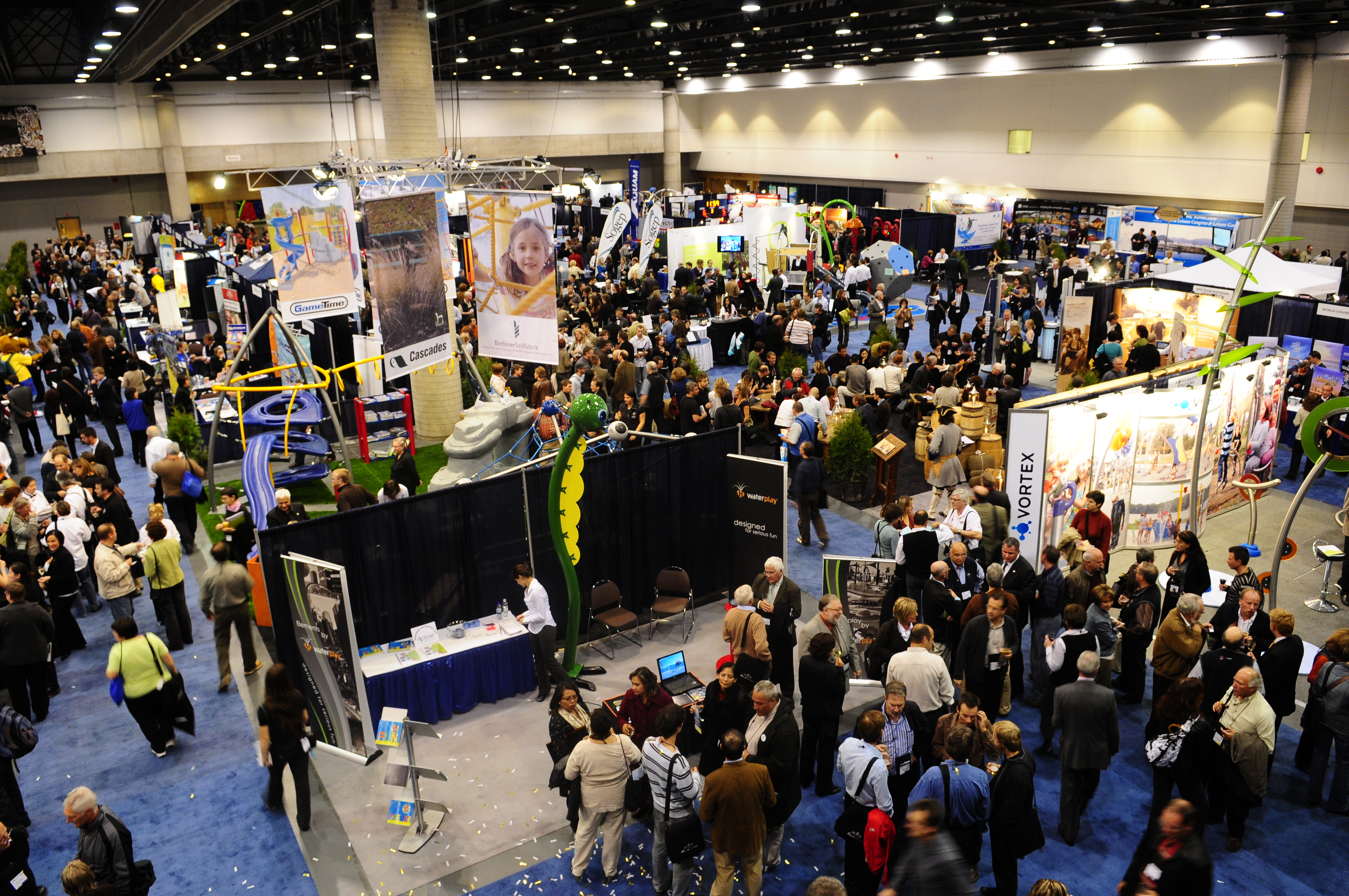
    We recently attended a tradeshow (Granite Partners principal and staff, not the royal “we”) with a client, in an effort to help them gather competitive information prior to entering a new market for a line of products they were planning to launch in a few months. We got together prior to entering the show floor, and discussed a specific set of goals and tactics to be applied to our activities during the morning, including observing and asking questions anonymously of the competition, researching potential production partners or related ancillary product partners that worked with our product, finding possible new applications for our product beyond the intended use, and observing the marketing tactics used by our potential competitors.

    A tall order, but one that can usually be filled in a couple of hours of strolling the show floor, watching, chatting with vendors, asking questions as if we were in the market to purchase, along with a few covert snapshots of displays and a collection of collateral materials in our show bag.

    After spending an hour on the floor, we had accomplished most of the goals we discussed. Some general take-aways on the state of small tradeshows:

    1) Vendor displays have gotten less expensive – and less professional. If you’re going to spend the time and money to highlight a new product at a tradeshow, don’t have your sister-in-law design the booth and the collateral signs because she won Third at the science fair in 11th grade! Go to the professionals for your exhibit design, and have a professional help you with a marketing plan that will help activate and leverage that display and turn it into viable leads! Just because the structure is less expensive than it used to be, doesn’t mean you shouldn’t spend the savings on good design!

    2) If you’ve gone to the trouble to design and transport a display, at least show up, set up and participate. We saw three or four empty booths, half constructed and missing key elements, with no sales or technical staff in evidence – shame on you, what a waste!

    3) If you are prepared and suited up, working the booth, don’t just shoot out a generic question to passer-by to try and snag their attention – it’s tacky and worse, ineffective. Simply come out from behind the table, out into the aisle, make eye contact with attendees, and maybe ask a legitimate question, maybe something related to the problem your product solves. If you hit on a sore point, you’ve hooked them, if that’s not their problem it’ll be a pretty tough sell to start with and you’ve not annoyed anyone. Being a tradeshow attendee doesn’t mean you’ve signed up to be molested in the aisles!

    4) This is not a re-run of “Boiler-room” – stop trying to close me on a complex, high-dollar, multi-step sale three minutes after I meet you at a show. Ain’t Gonna Happen! This is essentially a meet-and-greet with A/V support. Simply take my information, give me some data and some salient points that can be beneficial or differentiating for your product, and actually do the follow-up work later in the week. Even at consumer-based, residentially-oriented shows, I may not want to sign a contract on a $10,000 piece of infrastructure construction on my house – such things need researched, discussed with family, budgets allocated, etc. It’s a long-term, complex, consultative sale, not a $10 widget that helps wash the car faster.

    5) Do some pre-show marketing. Don’t rely on the show organizer to do it all for you, your results will reflect such an approach. If you plan to sell into the local market, do some homework, craft a decent direct mail piece, do some segmenting, mail a few key zip codes and let some likely consumers know you’re going to be in their neighborhood. You’ll be the busiest guy on the floor.

    No matter how small a show it is, if you’re going to spend the money and time, make it count. Make the commitment, do it 100%, make an effort to be your professional best. If you’re counting on a show like this to make your year, your plan is flawed, and your desperation will be readable from a mile down the aisle. A show should be a small part of a more holistic approach to your overall marketing effort, not a make-or-break event.

    Happy trolling . . .

    If you found this information valuable, and would like more, subscribe to this blog above, and don’t forget to pick up your copy of “The Marketing Doctor’s Survival Notes” . . .


  • Leaving Gold On The Table

    Leaving Gold On The Table

    For those companies out there who include industry tradeshows in their marketing mix, either on purpose as part of a strategy, or “because all our competitors are there”, you are probably leaving a pile of gold behind when you pack up your boxes to go home.

    Recent studies by independent national organizations show that very few companies do any pre-show marketing to prospects or clients, and that the number of leads actually followed up after the show is in the single digits!

    This type of behavior makes no sense to me, and is creating a case of diminishing returns for the tradeshow industry as a whole and for those who participate in them. If you were to spend millions of dollars on a Superbowl ad for your company, and then disconnected your phones for the month after the ad ran, you’d consider such behavior ludicrous, wasteful to the nth degree. Yet, that’s exactly what you’re doing when you fail to broadcast your presence at an event, when you pay dearly to participate; spend thousands on a complex display and related collateral material; spend endless time in meetings reviewing a hundred different types of tchochkeys and giveaways; take a week’s worth of time from your key sales people, technical people and administrative staff; when you don’t get full benefit from T&E, including travel, meals, hotels, cabs and entertainment; and then don’t follow up some of the most qualified sales leads and partnership opportunities you’ll ever encounter. Absurd, you say? Commonplace, at best, if we’re to believe the data. And that’s just for one major show – scale that up to include 6-10 shows a year, and you’re watching a pot of gold in lost opportunity fly out the window!

    So how to you capitalize on all that opportunity? Five quick fixes that will cut waste, provide more value and prevent lost opportunity:

    5) Train and select your on-site staff with care. Even for a major show, you don’t have to send the whole team. While a big group of people all dressed alike trolling the floor and inhabiting the exhibit does have some value, especially in reinforcing your brand, it’s a costly and inefficient way to do that, and the job can be better handled by fewer better selected candidates. A mixed bag of junior and senior sales staff, one technical person to act as advisor and closer on the BIG sales, and a couple of engaging administrative folks to help clean up the loose ends, steer traffic to the sales group and provide coverage. That’s it. Train them all to be effective in as many different roles as are appropriate, so there is good overlap, but make sure everyone knows how important this show is to the prosperity of the company, and that all leads, no matter how small or remote, could be important, and are to be treated as such.

    4) Set up a lead management system, and use it. That’s not the same thing as renting the capture machine from the show management’s vendor. This is a system within the company for qualifying, funneling and following up on leads gathered at the show. Your existing prospect database is a good start, but it’s probably not built to handle a big influx of leads in a short time, and likely doesn’t have a good qualifying system within it. It should be designed to work quickly, have all the follow-up materials created in advance and be able to customize them to a certain extent for each lead. Nothing is more impressive than having a quick, well-crafted, specific follow-up note waiting for you when you get back to your room for the evening from a vendor you spoke with that afternoon!

    3) Craft an effective pre-show marketing strategy. If you really want to stand out of the crowd, marketing your presence at the show a couple of weeks beforehand is one of the best ways to do it. You can prompt booth visits, make appointments with big clients or promising prospects who are planning to attend, build attendance in your hospitality suite event, pre-qualify leads, and much more with this simple step. Get access to the registration list from the prior year if it’s available and use it repeatedly and effectively. You’ll be amazed at the resulting traffic.

    2) Set goals for the show that make sense, and hold EVERYONE accountable for meeting them. Especially if this is one of many shows you participate in each year, goal-setting will give you some idea of how worthwhile your tradeshow investment is likely to be. It gives you an ROI variable to push back against when making decisions for next year. Make them just barely reachable, and make them finite and quantifiable – “we will contact and follow-up with 25 new prospects not in our current database at this show.” Now, it’s everybody’s responsibility to be familiar with what’s in that prospect database, know who the big fish are, and engage everyone in a productive, helpful way to make that number attainable. It forces a teamwork approach, and keeps down the finger-pointing later if you don’t hit the number.

    1) See the show as a triple opportunity and treat it as such! How many times do you get to be in a room with a huge universe of prospects and customers, prepared, armed and in a selling environment, all in one week, with your best troops in attendance? Not very often, I’ll wager. So make that opportunity count. Follow-up religiously, engage every reasonable visitor, invest in some staff training, make the display work for you, make sure it carries the brand well and is easy to read and understand, make sure your staff understands the goals and the importance of the results to the success of all concerned. Make sure that lead management system is working for you, not just making you more work.

    You’ve invested a significant chunk of budget to participate in these marketing opportunities – its up to you to make the investment pay back. Enjoy.